The Fae
The Fae are among some of the most removed from the Unbound by virtue of the fact that the byproducts of industrialization are poisonous to them. They are a deeply magical bloodline that is intrinsically connected to nature. While all of the Fae share a base cultural heritage, Fae culture is dependent on which of the five overarching Kin Groups they fall into. The complex cultural and political interplay among the Fae Kin Groups is something that only those born into it can ever truly hope to understand.
Most of the Fae live part or most of the time in the Fae Cities in the Fae Wilds. While these cities accept Bound visitors, only Fae are able to live there full time. The cities and the Fae who live in them follow the seasons, and refer to themselves as the “Court Fae.” Each of the Fae cities is led by one of the Fae Queens or Kings.
Fae who grow up on the material plane call themselves Wild Fae. Growing up outside of the Fae Cities is a hard road, but the Wild Fae prioritize their freedom above everything else. Though they don’t have a leader in the way of the cities, they refer to an entity known as The President of the Wilds or Pan as a kind of beloved mascot.
Spring (Seelie)
Spring Court Fae tend to dress in pastels – light blue, lilac, pinks and yellows are most common. Their court’s symbol is an apple blossom, and they will usually work this into their clothing or jewelry in some way. Often Spring Court Fae will decorate their hair with flowers. Spring Court Fae tend to be a lively bunch who focus on growth and renewal. They love novelty and resist order and tedium. Still, most are mild-mannered people who have a great love for partying.
Some of the most common Spring Court Fae outside of the Sidhe include:
Dryads – have flowers and vines growing on their hair and bodies. Will sometimes have patches of bark and/or moss on their skin.
Winged Nymphs – typically have butterfly or dragonfly wings protruding from their backs and who have short, pointed ears.


Summer (Seelie)
Summer Court Fae tend to dress in bold, bright or even neon colors. They tend towards fuschia, turquoise, and neon colors. Their court’s symbol is a golden sun, and they will often work it into their clothes or jewelry. The Summer Court fae will often decorate their hair and clothes with growing green vines and living plants with lustrous leaves. Summer court fae are somewhat less exuberant than the Spring Court, but still have a growth mindset. They live in abundance…of nearly everything. Unlike their more mild-mannered Spring counterparts, Fae of the summer court can shift rapidly from happy and exited to stormy and rageful.
Some of the most common Summer Court Fae outside of the Sidhe include:
Satyrs – appear human from the waist up with the exception of goat horns that curl from their brows. They have goat legs.
Selkies – appear as humans with short, pointed ears and large dark eyes. They will always have their seal coat on their person, as they must use it to return to the sea.
Autumn (Unseelie)
Fall Court Fae tend to dress in the colors of falling leaves – golds, oranges, and burgundy. Their court’s symbol is a crow, and many of them will include crow feathers in their clothes and jewelry. Fall Court Fae are more serious than their Spring and Summer relatives, and focus on harvesting, hunting, and preserving. They are typically mild-mannered, but when something does bother them, they are liable to have an explosive temper. There is a streak of mischievousness that runs through the Fall Court, and pranks (usually harmless ones) are common.
Some of the most common Fall Court Fae outside of the Sidhe include:
Goblins – Typically light green with large, pointed ears and black claw-like nails. Goblins are more mischievous by nature and like to form tight-knit chosen families.
Orcs – Orcs are typically dark green or gray with long tusks protruding from their lower jaws. They love hunting, and often dress in the leather and furs from their various kills.

Winter (Unseelie)
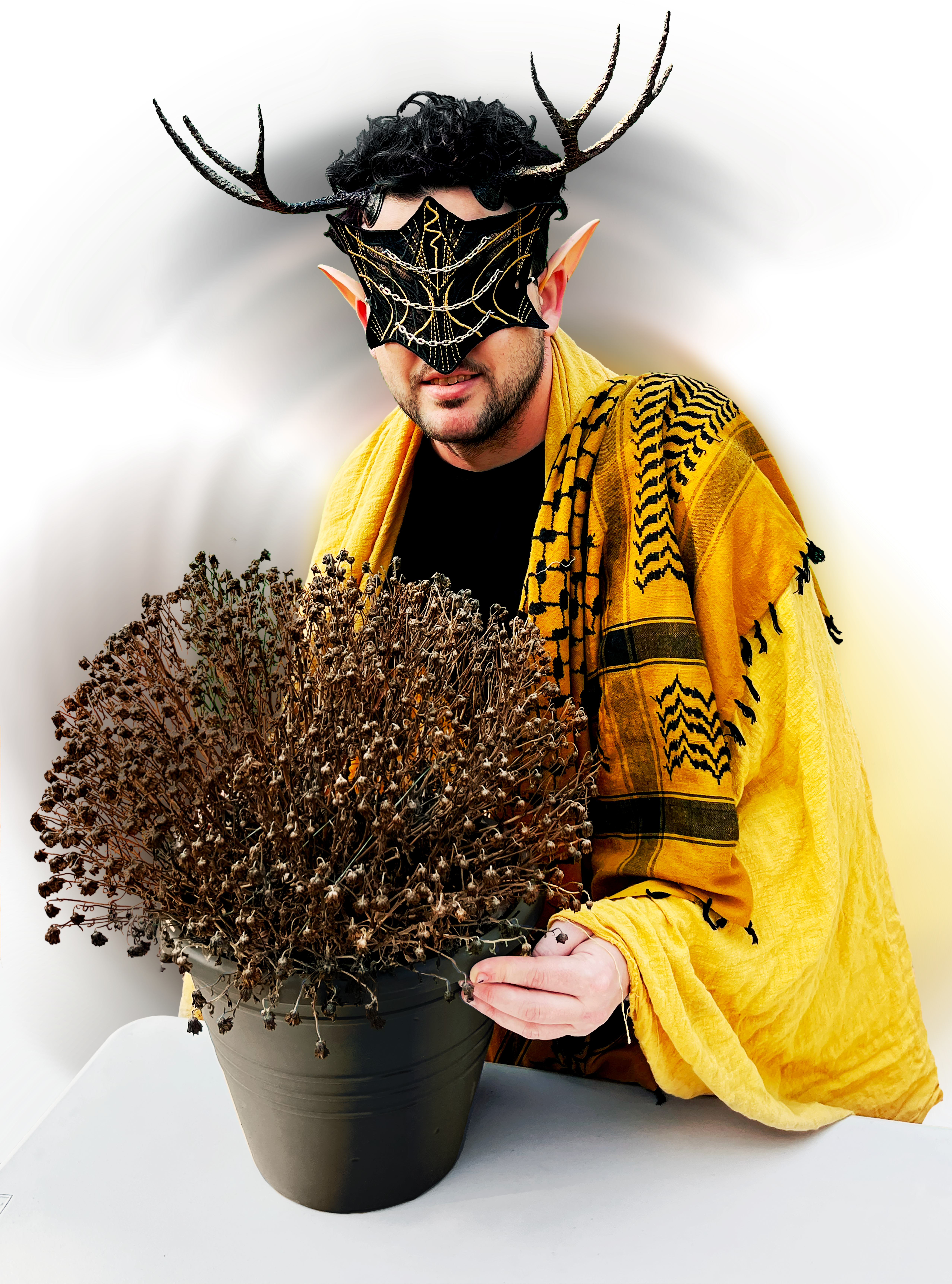
Winter Court Fae tend to dress in colors that are reminiscent of a cold night – blacks, royal purple, dark blues, stark whites. Their court’s symbol is a snowflake, and they often incorporate it into their clothes and jewelry. Winter Court fae are the most serious of the fae, and their focus is on survival because they know what it is to do without. Winter Court fae are usually very reserved and often display very little emotion at all – either positive or negative. When their icy facade does crack, it becomes clear that their feelings run deep and true. If one of the Winter court commits to an act, they will always follow through.
Some of the most common Winter Court Fae outside of the Sidhe include:
Kelpies – When in water, Kelpies can take the form of a dark blue horse with seaweed for their mane and tail. While on land Kelpies retain their dark blue skin, which is speckled with white and gray. They will most often have green or green-brown hair, which will match the color of their seaweed mane in horse form.
Red Caps – Usually, Red Caps appear like one of the Sidhe, except that they have pointed teeth and will always be wearing a red hat over their hair. Red Caps always have fresh blood dripping from their hair. Red Caps are the enforcers of the Winter Court, and they’re well-known for being willing and able to jump to violence on a hair trigger.
Wildlings
Wildl Fae run the gamut in terms of dress, style and variety. Because they choose to live outside of the relative safety of the Fae Cities, Wild Fae are a rough and rugged breed. They often choose clothing for its practicality over anything else. They are adventurous by nature and it shows in the ways that they equip themselves. Some Wildling Fae will wear the Symbol of the Seasons – which is a symbol that includes each of the other four court’s symbols – as a way to indicate their allegiance to the balance of nature over all things.
Wildling Fae can be of any type, but it is very rare for one of the Sidhe to be a Wildling. Usually, this only happens if a Sidhe has been banished from one of the Fae cities.
 confluxlarp.com